

The History of Emojis 👀 (and What They're Doing To Your Brand)
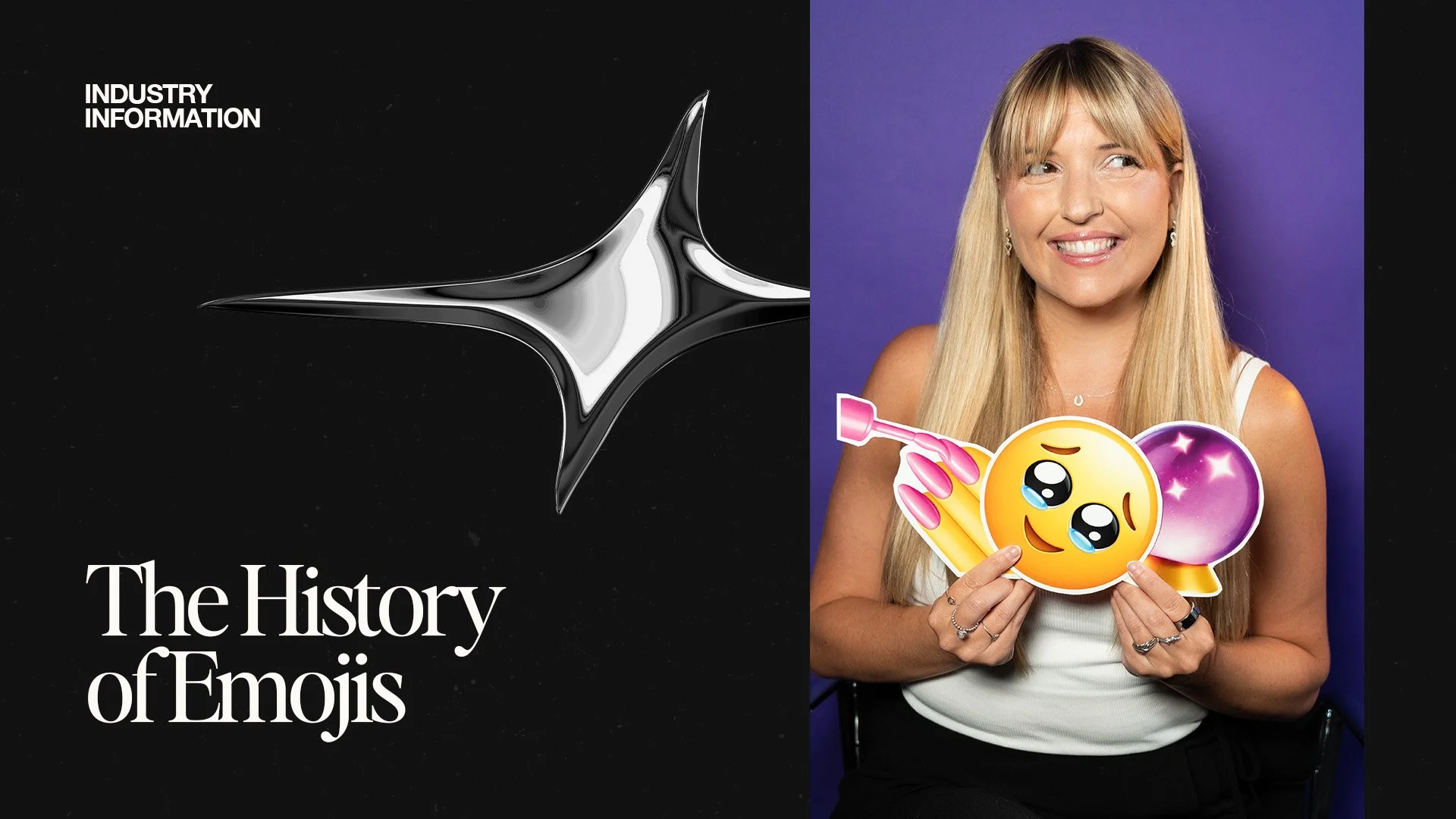

Seeing ‘🙂’ makes me anxious, but ‘😊’ makes me feel calm. Why is one giving passive aggressive, and the other warm and comfy?
Emojis have become one of the most powerful tools in digital communication. What started as a couple of keyboard symbols :-) has grown into a visual language of nearly 4,000 icons used by billions of people every day 🌏
In this article, we break down where emojis came from, the psychology behind how they work, and how creators and brands can use them intentionally to build recognition, shape perception, and connect with the right audience 🫡
Where it all started… ⌨️
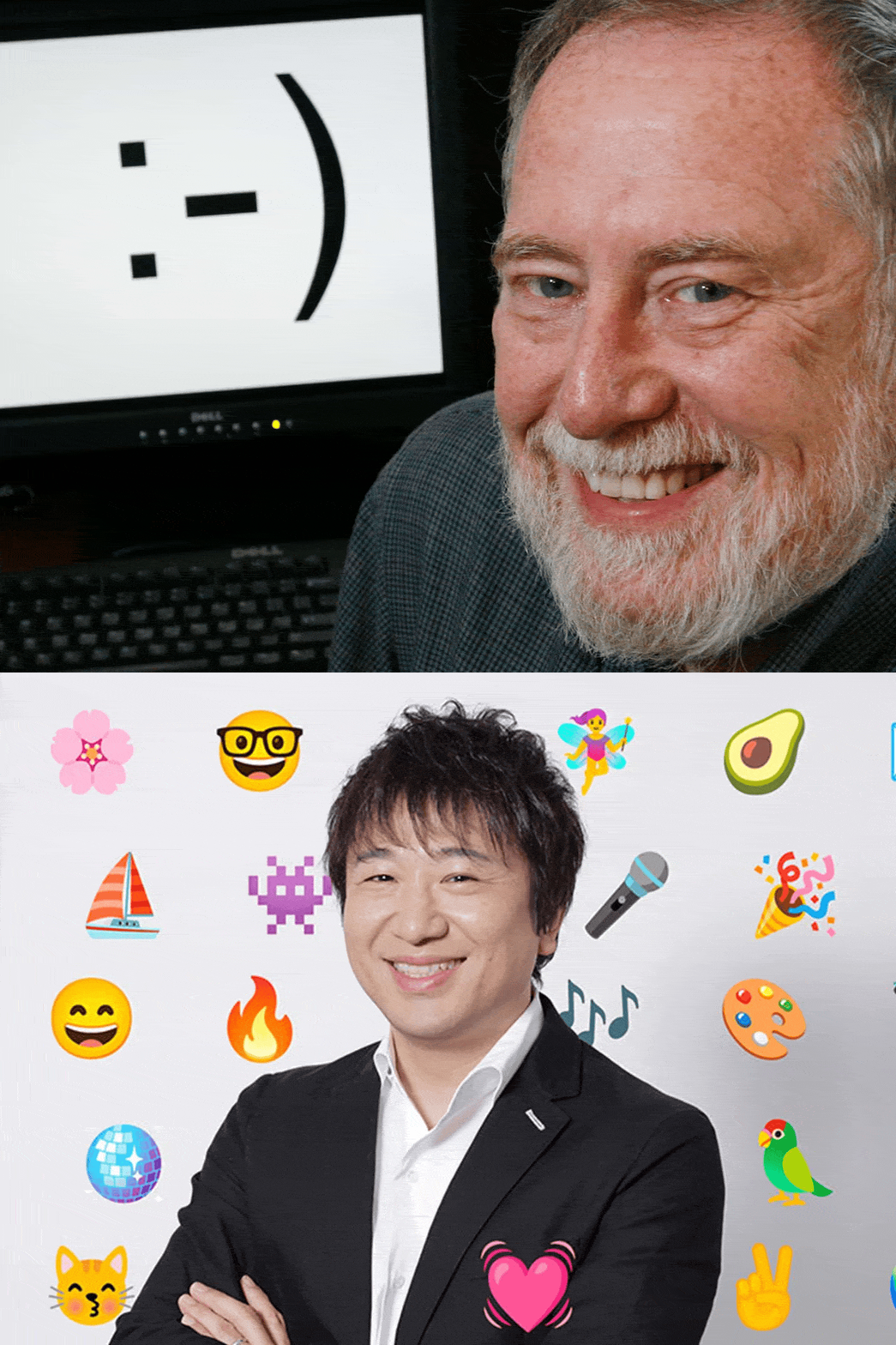
In 1982, American computer scientist Scott Fahlman suggested using :-) and :-( on an online university message board to help readers tell jokes apart from serious posts. 🧐
These were the first recorded “emoticons” created to add emotional context to early digital conversations.¹
Fast-forward to 1999. In Japan, interface designer Shigetaka Kurita was creating icons for an early mobile messaging service on Japanese flip phones. 📞 Plain text was too cold and emotionless, so he designed 176 tiny 12-by-12 pixel icons to add warmth and clarity back!²
Research shows that Kurita was right! 🔮 Emojis act like digital body language, replacing tone, facial expression, and “nonverbal cues that are used during face-to-face communication.”³
Going international, baby! ✈️
In 2011 with iOS 5 📱 Apple added a built-in emoji keyboard available globally, removing regional restrictions.⁴ This was a turning point for when emojis moved from a niche Japanese phone feature to the worldwide norm.⁵
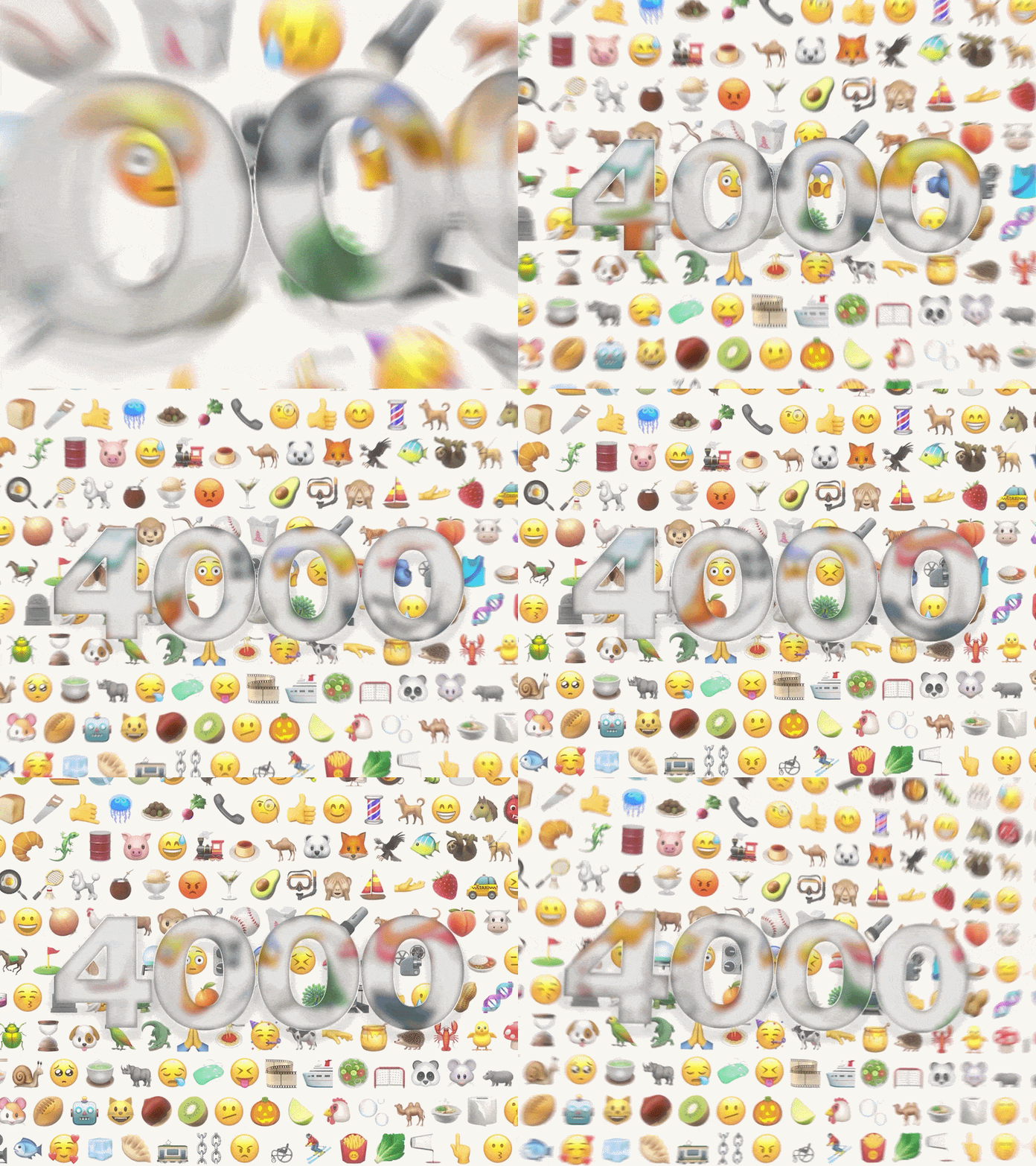
Fast forward to now. What started as a couple of symbols has led to almost 4000 different emojis available! 🤯
Same, same? No, no. 🙂↔️
With so many to choose from and an internet that’s bigger than ever, the same emoji can be interpreted differently depending on the platform and the person reading it.⁶
On Instagram, emojis amplify personality and add vibes. On LinkedIn, the same emojis might feel unprofessional.
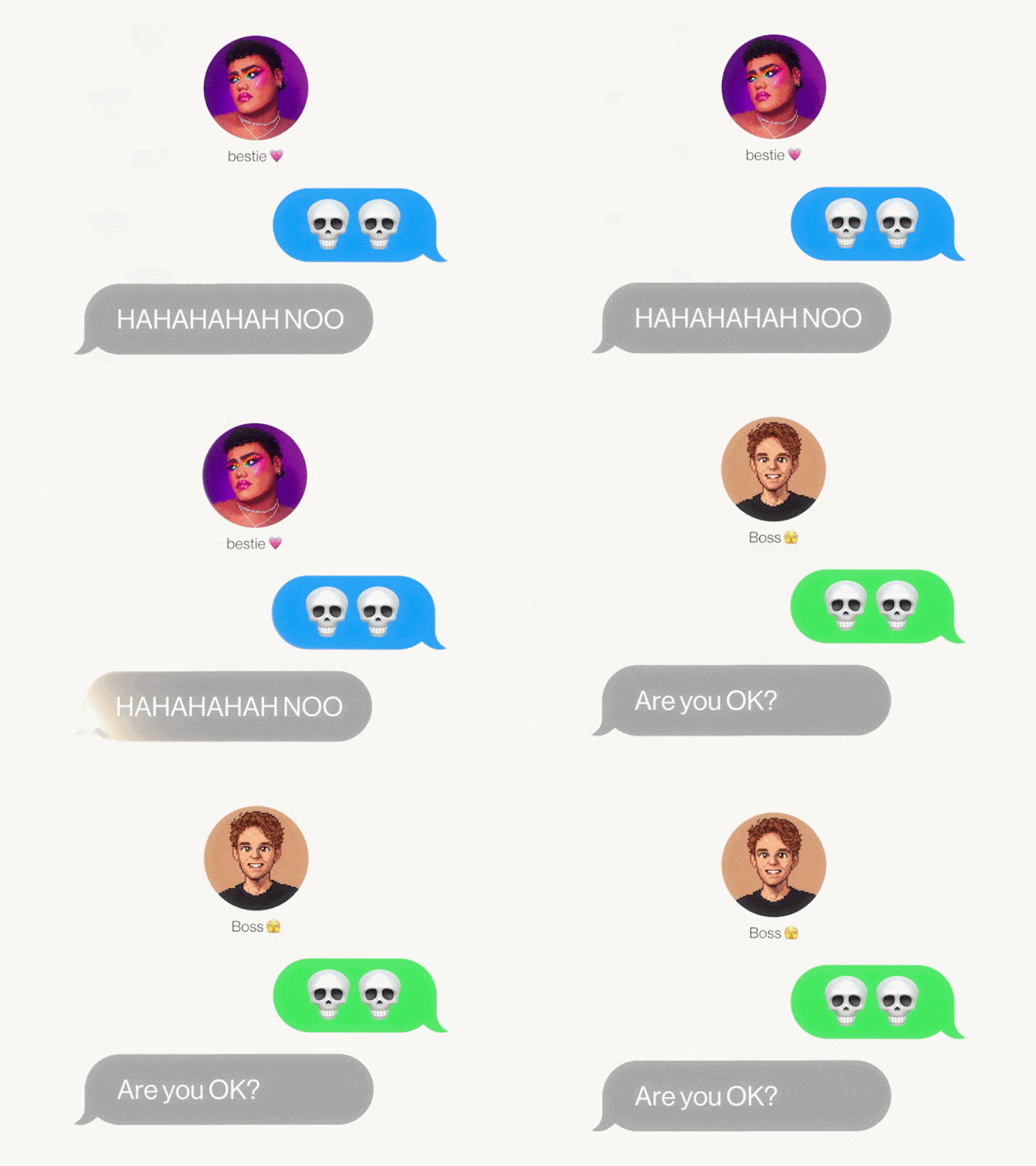
💀😭 can mean “I’m dead laughing” to Gen Z but look genuinely concerning to your boss. 👍 can read supportive or passive aggressive. 🍑... well only 7% of people use it as the actual fruit, is all we’ll say.⁷
Be smart, girl! 💅
When you choose an emoji, you’re not just choosing a cute icon, you're showing who you are and shaping how others perceive your brand and personality 👀
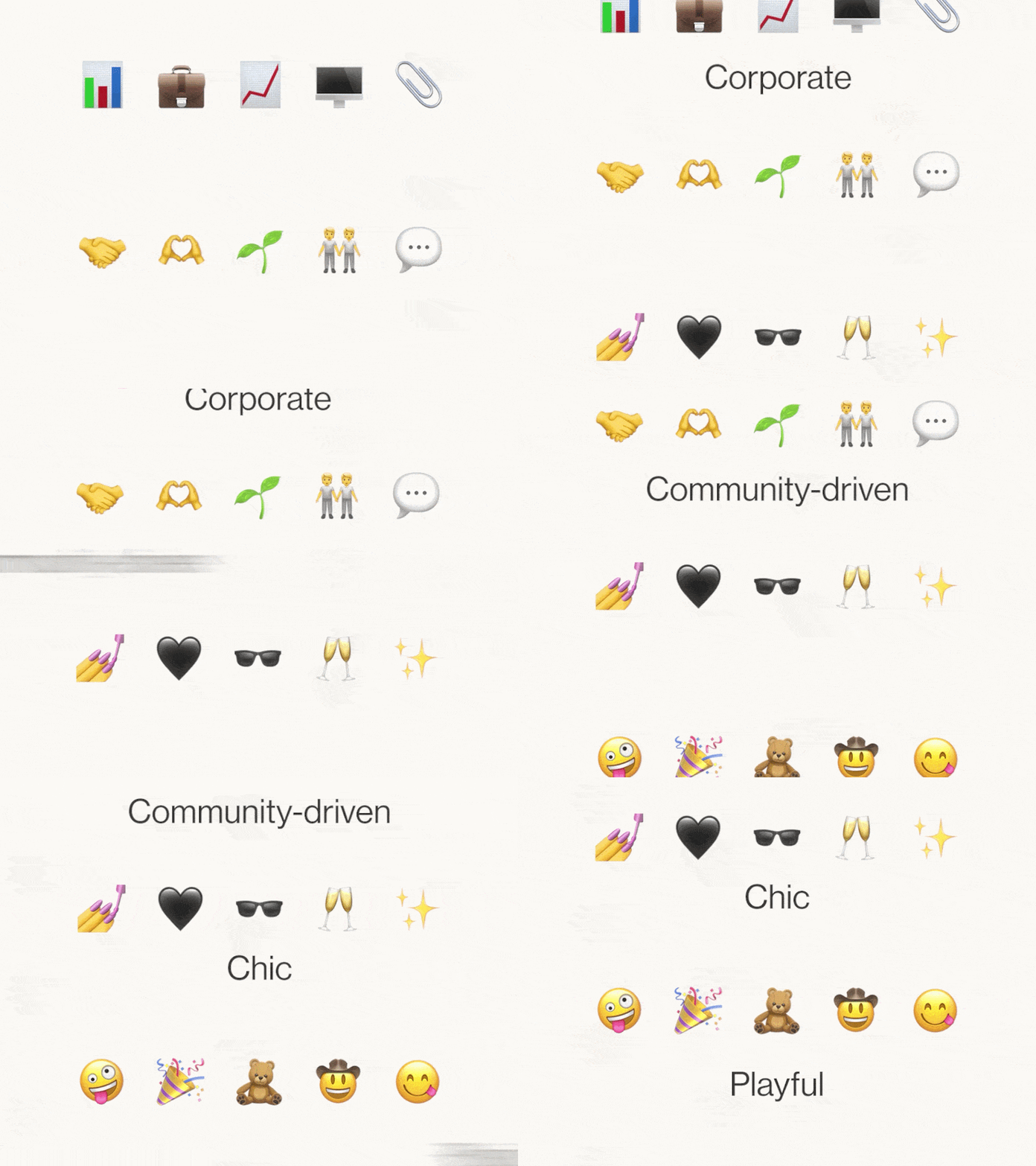
A creator who uses 🫶🥹 feels different from one who uses 🧠📊. A brand that leans on ✨💅 reads very differently from one that sticks to ✅🙂.
That choice compounds over time as your regular emojis become part of your visual language and shift whether you feel corporate, community‑driven, chic, playful, chronically‑online…
Your OWN emoji? 👀
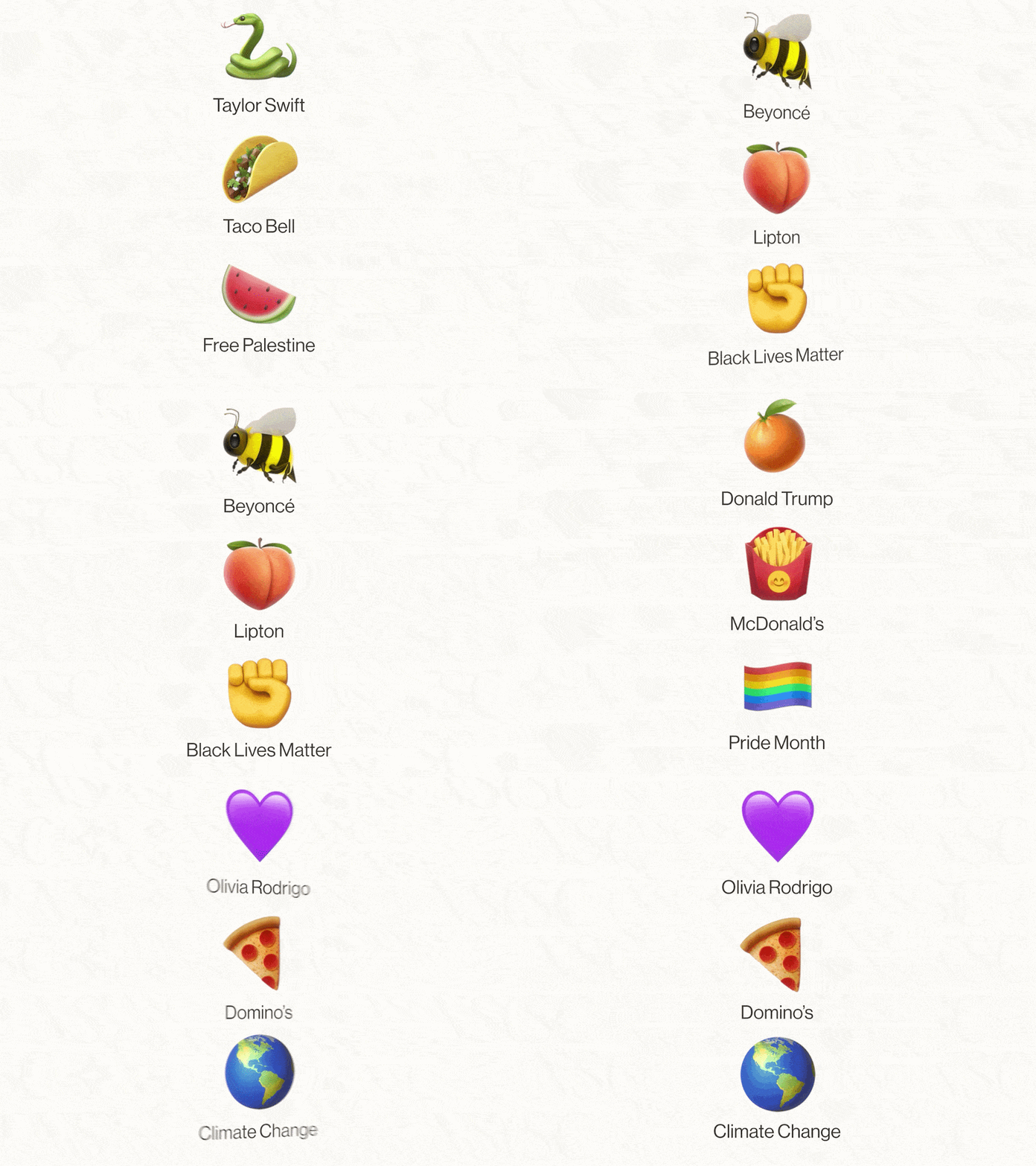
Emojis can also be closely linked to a person, a brand, or a social cause through repeated use, until the symbol alone is enough to trigger instant recognition 😵💫
Think 🐍 for Taylor Swift, 🌮 for Taco Bell, or 🍉 for the Free Palestine movement.
In a feed full of content competing for attention, owning an emoji means your content is recognised before it's even read! 🤓
Some other quick tips… 😘
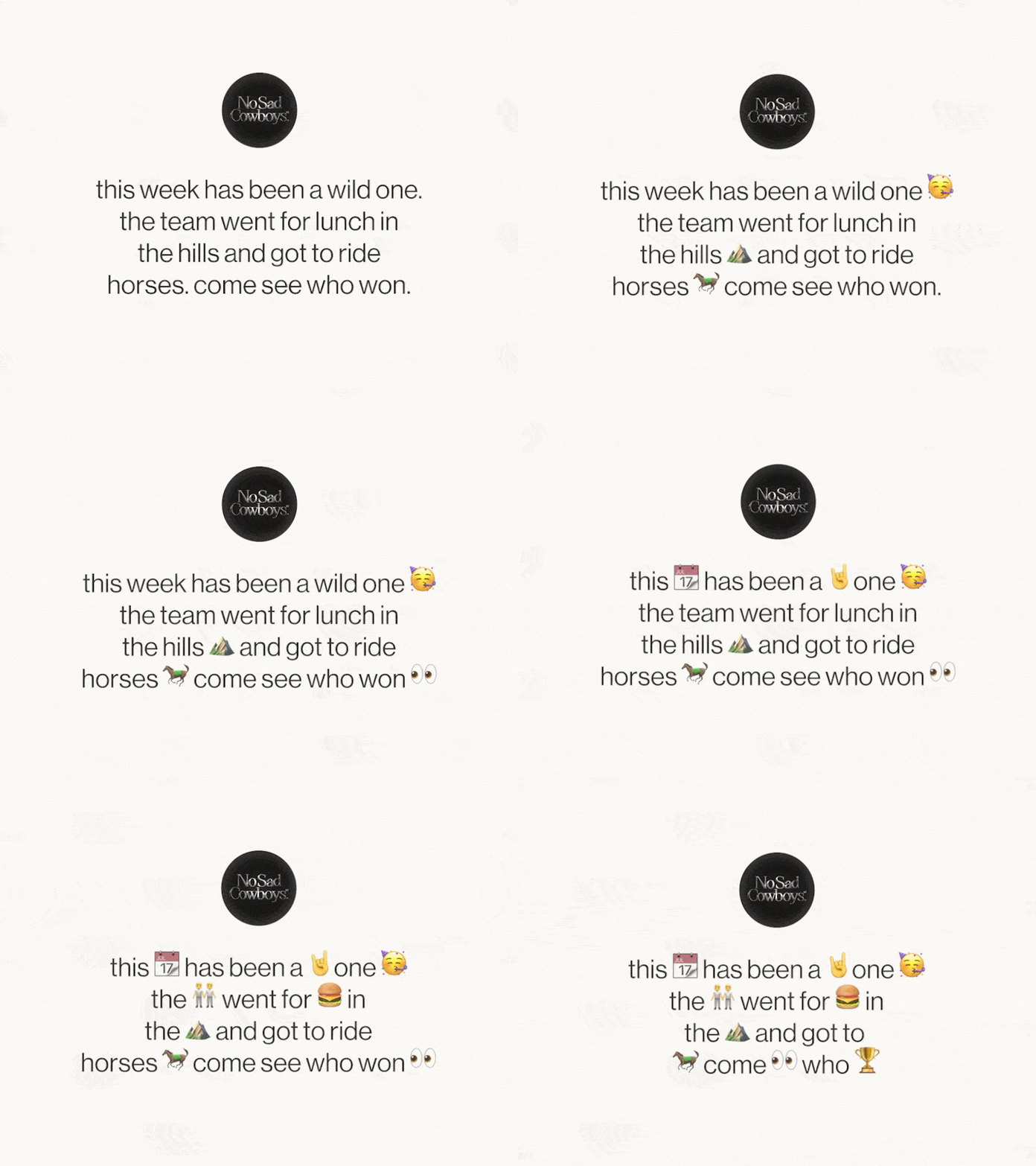
Use emojis to break up long captions. In fast-scrolling feeds, they make text easier to scan and less overwhelming 😌
Don’t overdo it. Too many emojis can reduce perceived trust, credibility and competence.⁸ If an emoji doesn’t add clarity, tone, or emphasis, it doesn’t need to be there 🙏
Be careful in serious moments. In announcements, apologies, or sensitive topics, the wrong emoji can trivialise what you’re saying 😡
Emojis have come a long way from a colon and a bracket typed on a university message board. They're now a core part of how we communicate online 🌎📱
For creators and brands, how you use them is part of your identity whether you're being intentional about it or not. Start paying attention to the ones you reach for, they're doing more than you think 😉
